
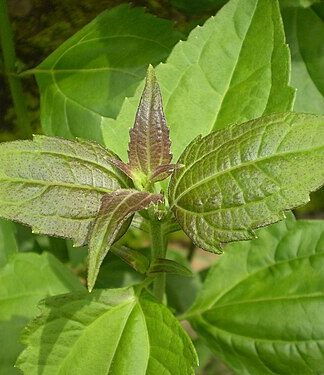

From invasive farmland pest to a potential source of organic fertiliser, livestock feed and medicinal research, Chromolaena odorata is prompting renewed interest in the uses of a plant long regarded as an ecological nuisance.
For decades, farmers across parts of West Africa have regarded Chromolaena odorata, popularly known by names such as Jack in the Bush, Awolowo, Independence Weed and Obiarakara, as a persistent threat to agricultural productivity.
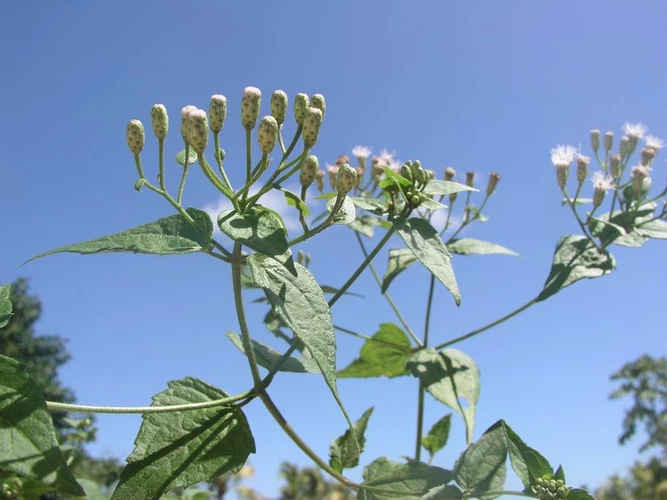
The fast-growing invasive plant competes with crops, colonises fallow lands and spreads across farmlands, earning a reputation as a troublesome weed. However, growing scientific interest in its chemical composition and traditional applications is encouraging researchers to examine whether the plant could also offer opportunities in agriculture, livestock nutrition and healthcare.
Often described in scientific literature as an invasive species originating in the Americas, Chromolaena odorata has attracted research attention for its potential medicinal properties and its possible contribution to soil fertility management. Studies on its West African and Asian biotypes have documented traditional uses and investigated the plant’s biological activities.
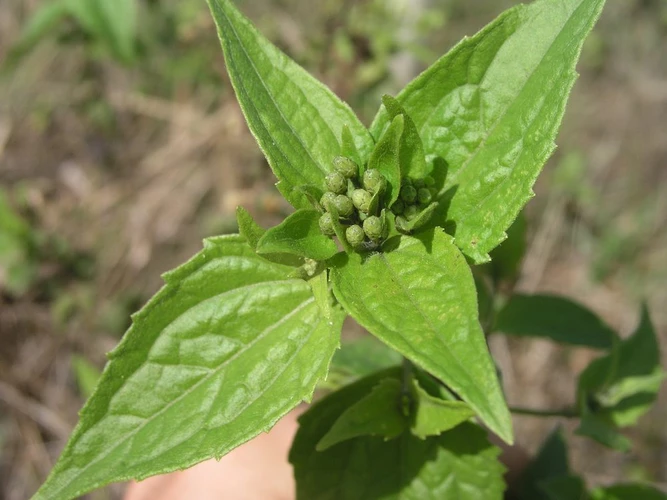
Although the weed can threaten agricultural production, researchers have identified potential benefits in its use as organic material for soil improvement.
Its biomass can be incorporated into agricultural systems as green manure or mulch, contributing organic matter and potentially supporting soil fertility. Research on the West African biotype has also examined its role in fallow systems and soil fertility improvement, particularly within traditional agricultural practices.
These potential applications, however, do not eliminate the plant’s invasive characteristics. Its use in farming requires appropriate management to prevent further spread and competition with crops.
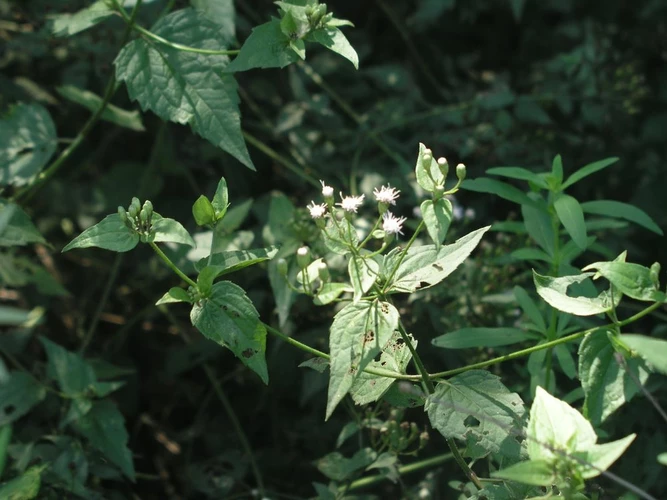
The plant has also been investigated as a possible source of supplementary livestock feed. A Nigerian review published in the Journal of Medicinal Plants Research examined the use of Chromolaena odorata in livestock nutrition, reflecting interest in its potential contribution to animal production.
However, claims about specific protein percentages, improved gut health and its suitability for different livestock species should be assessed against the relevant feeding trials and processing methods. The nutritional value and safety of the plant may vary depending on how it is harvested, prepared and incorporated into animal diets.
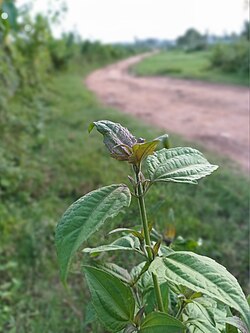
This distinction is important because the availability of plant biomass does not automatically establish that it is safe or effective as a feed ingredient.
Perhaps the most widely studied aspect of Chromolaena odorata is its traditional medicinal use, particularly in wound management.
For generations, communities in parts of Africa and other tropical regions have used the plant in traditional remedies for wounds, skin conditions, diarrhoea, toothache, coughs and other ailments. A review of its medicinal potential in sub-Saharan Africa documented several of these ethnomedicinal applications.
Scientific reviews have identified bioactive compounds, including flavonoids, tannins and other phytochemicals, and have examined possible anti-inflammatory, antimicrobial, antioxidant and wound-healing properties.
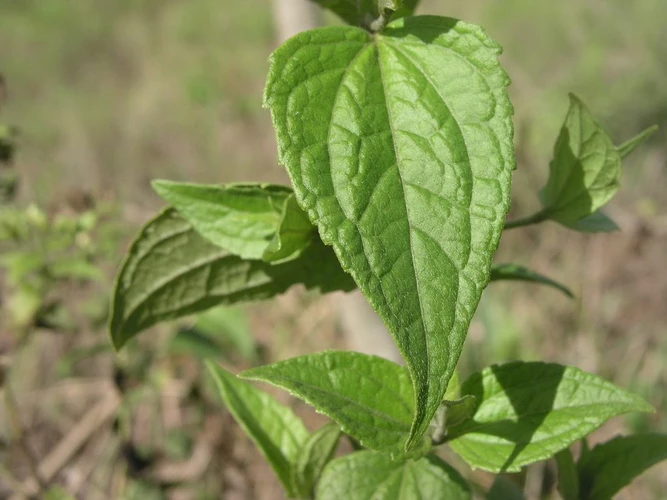
A 2017 review published in Pharmacognosy Reviews reported that extracts of the plant had been investigated for wound healing and related biological activities. Another review in Molecular Medicine Reports examined the plant’s potential in wound management and its various pharmacological properties.
In Vietnam, a preparation derived from Chromolaena odorata has been reported in scientific literature as having been approved for soft-tissue wound and burn treatment. Nevertheless, findings from laboratory research and traditional medicine should not be confused with proof that the raw plant can safely treat all the diseases for which it is traditionally used.
Despite the plant’s potential, its medicinal and agricultural applications require scientific and safety assessments.
A 2022 review noted the presence of potentially toxic compounds, including cytotoxic alkaloids and high levels of nitrates. These findings underline the need for caution when considering the plant for animal feed or medicinal purposes.
Consequently, the use of fresh or unprocessed Chromolaena odorata as feed or medicine should not be encouraged without appropriate expert guidance. Drying or other processing methods do not automatically guarantee safety, and the suitability of a preparation depends on its composition, intended use and supporting evidence.
The story of Chromolaena odorata illustrates the importance of examining invasive plants from more than one perspective.
While its spread can create agricultural and ecological challenges, research suggests that the plant may contain compounds and biomass with potential applications in soil management, livestock nutrition and medicinal product development.
Its future value will depend on further research, responsible agricultural practices and rigorous safety evaluation. What is widely recognised as a troublesome weed may therefore deserve closer scientific attention, not as a proven cure-all, but as a plant whose potential and limitations require continued investigation.