
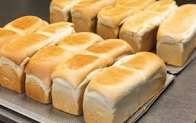

If you grew up in south-eastern Nigeria, you will remember it. Agege bread once looked like rich people’s bread: soft, sweet, snow-white and stretchy. We thought only the big men in Lagos could afford it.
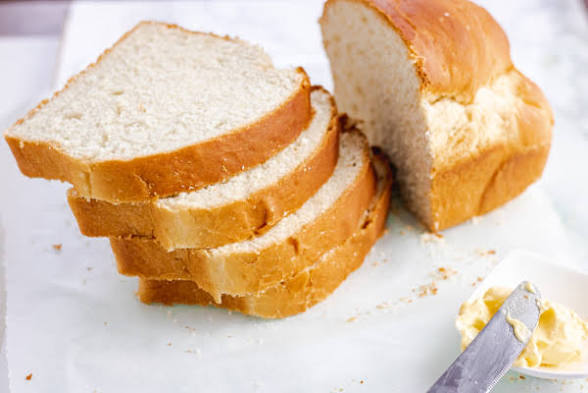
They couldn’t have been the only ones. But the bread tasted like luxury.
Originally associated with Agege in Lagos State, this yeasted white wheat bread is more than food; it is a cultural experience.

Famous for its sweet aroma, soft, pull-apart texture and ability to remain fluffy long after leaving the oven, Agege bread needs no preservatives or fancy packaging to win hearts. Just flour, yeast, sugar and the skill of a baker.
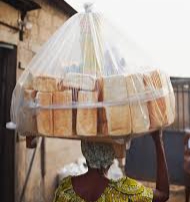
It is the bread that shaped countless Lagos mornings, yet found a home in the South-east, too. The same loaf hawkers carry on trays balanced on their heads, calling out, “Agege bread!” in the middle of traffic. The bread students pair with beans, workers eat with sardines, and families enjoy with a cup of tea.
What makes it special? Unlike regular sliced bread, Agege bread is traditionally baked as an unsliced loaf, with a lightly browned crust and a soft, sweet crumb. It does not simply crumble; it stretches, pulls apart and melts into the moment.
Growing up in the South-east, many of us saw it as a luxury. Now we know better. It was never just about being rich. It was about sweetness, survival and simplicity, all baked into a single loaf.
From its roots in Lagos to the bus stops and markets of Aba, Umuahia, Owerri, Enugu and beyond, Agege bread travelled far. Affordable, filling and unforgettable, it became part of everyday life.
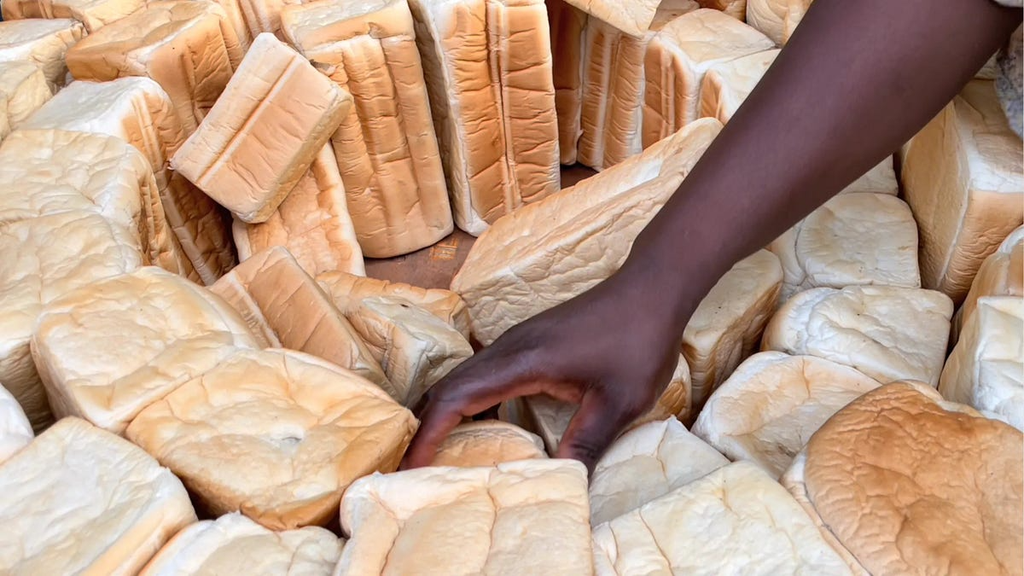
It is not just food. It is nostalgia, hustle and childhood, all wrapped in one loaf.