
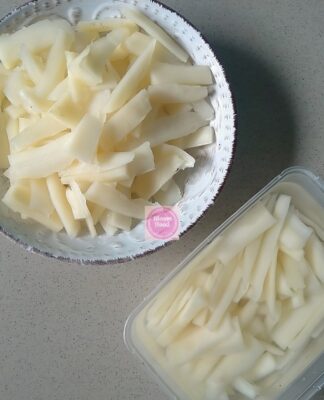

Akpu Mmiri, also known as Abacha Mmiri, Bobozi or Eberebe, is not just an Ngwa or Abia thing. It is a truly Nigerian heritage snack. From the streets of Aba to markets in the West and communities in the North where cassava thrives, Nigerians have their own name and style for it, but the love for this wet, cold, chewy cassava remains the same.
It is nostalgia served cold, the food hawkers carry on their heads under the scorching sun and the one that tastes best when eaten with your fingers.
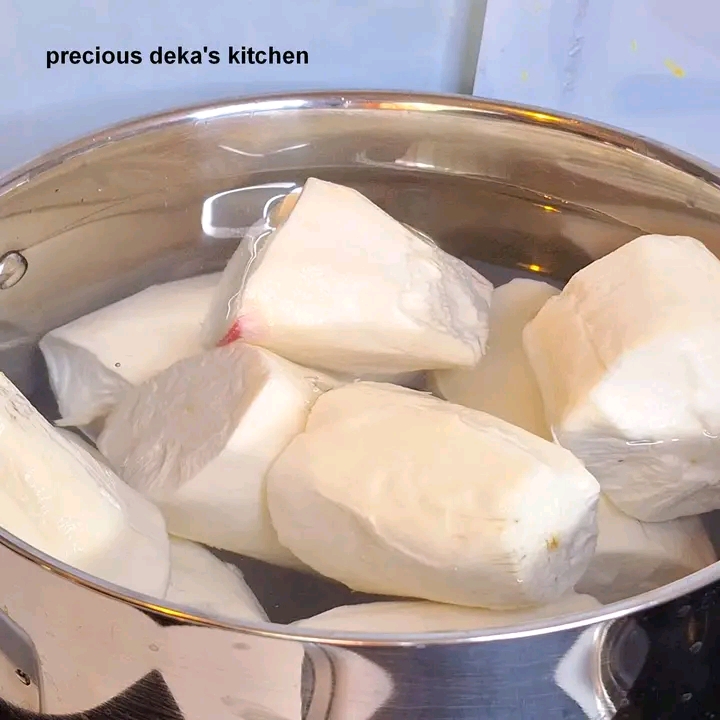
The process starts with choosing the right cassava. You do not use old, woody tubers or the bitter variety meant for garri. The best is fresh, sweet and firm. After peeling and washing it thoroughly to remove all sand, the tubers are boiled whole. Many get it wrong here. The aim is not to overcook it until it scatters in the pot. It should be cooked just enough to be soft to the touch while still holding its shape, because if it breaks apart, the desired texture is already lost.
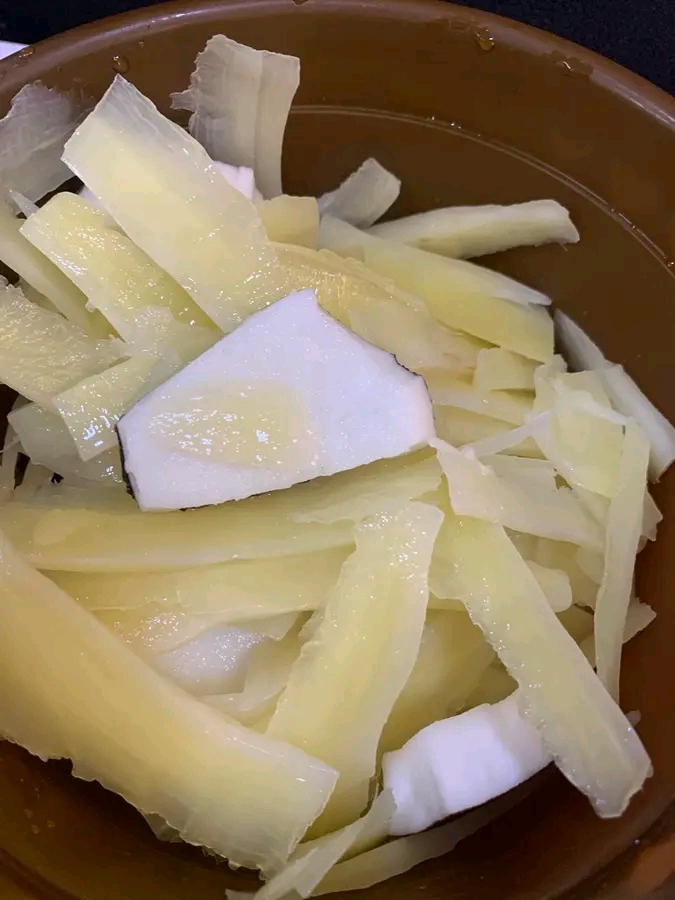
While still warm, the real skill shows. The boiled tuber must be sliced into paper-thin, almost translucent strips. The thinner the slice, the better and softer the final result will be. This delicate slicing, often a flick of the wrist mastered by women who have done it for decades, is what separates perfect Akpu Mmiri from a lumpy one.
Then comes the heart of the concept and the reason it is called Mmiri. All the sliced cassava is submerged in a large basin of clean, cold water and left to soak overnight for about eight to twelve hours.
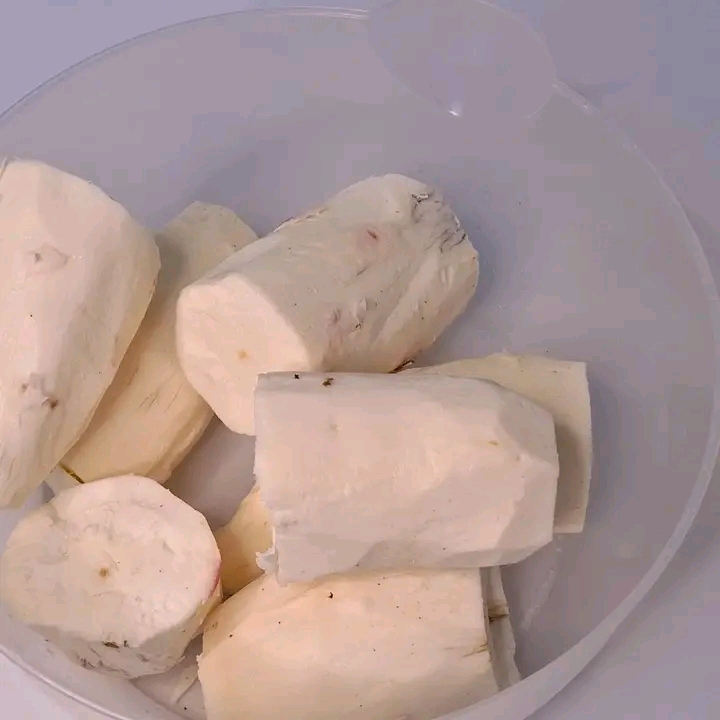
This cold water bath is the real cooking. During this time, the water washes away excess starch and sliminess, removes any residual bitterness and natural compounds in cassava, and allows the slices to swell into that soft, bright, cold delight. For a perfect finish, the water is changed two or three times, and only cold water must be used to avoid souring.
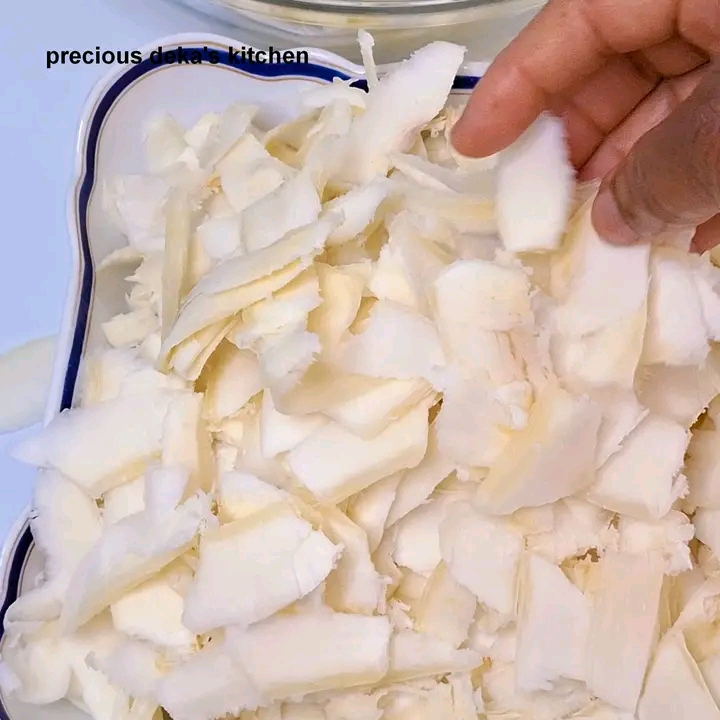
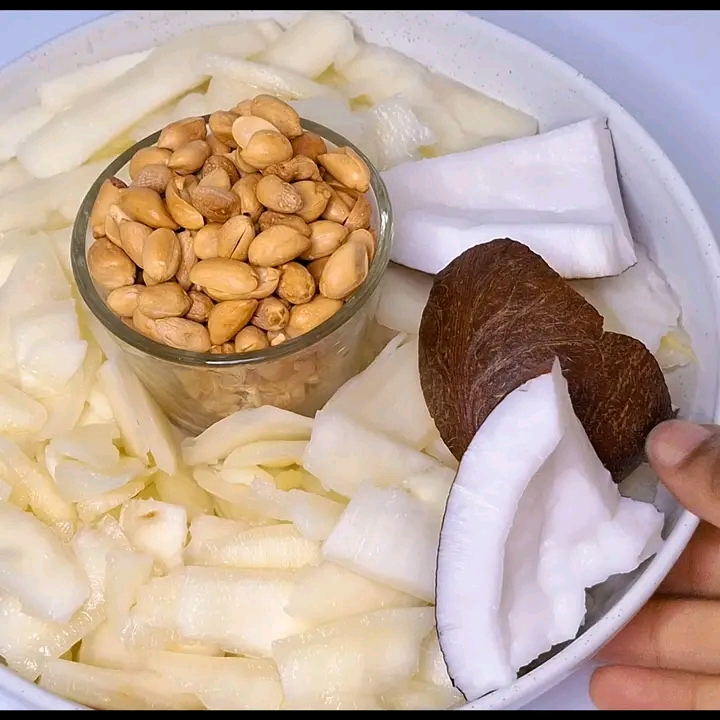
By the next morning, after a final rinse, the Akpu Mmiri is transformed and ready to eat. It is never served hot, its identity is in its coldness. It is also never eaten alone. Some enjoy it sweet with freshly grated coconut and roasted groundnuts, others prefer the savoury village style with fresh palm oil, salt and dry pepper, and many across the country now combine everything on one plate for a complete experience.
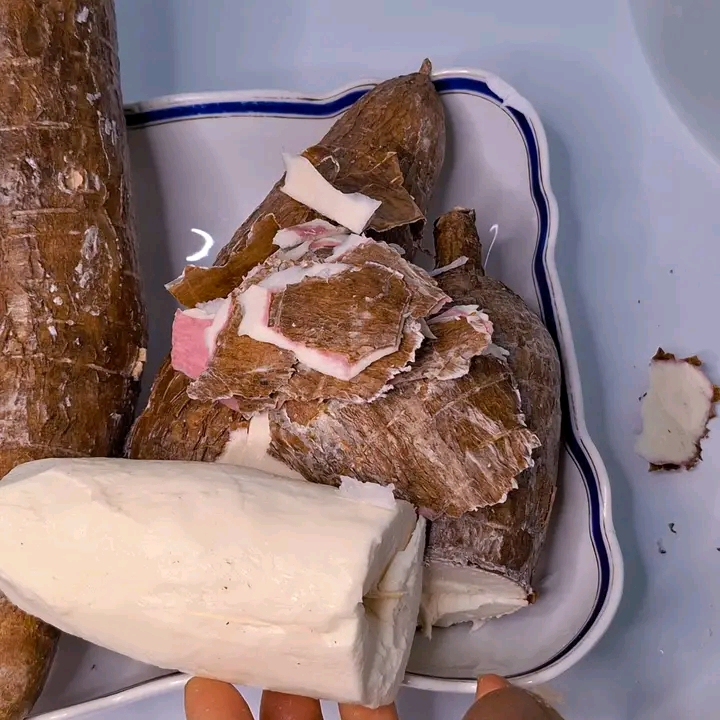
Beyond taste, Akpu Mmiri brings real value to households. It is an affordable, gluten-free, light yet filling snack that can feed a family without stress, a source of daily income for women and young girls who hawk it, and a food that preserves cassava without the need for frying or firewood the second time.
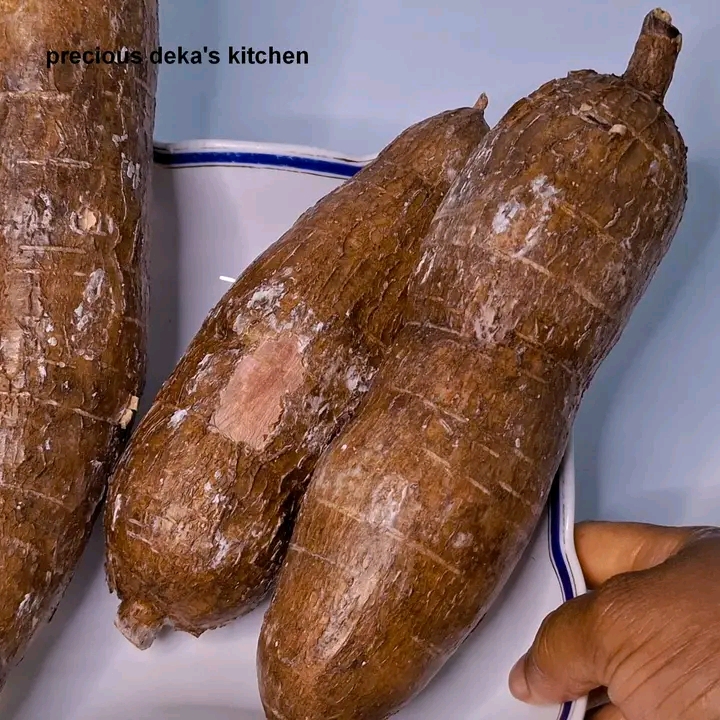
In an era of shawarma and pizza, this humble delicacy has refused to disappear because it feeds both the body and the home.