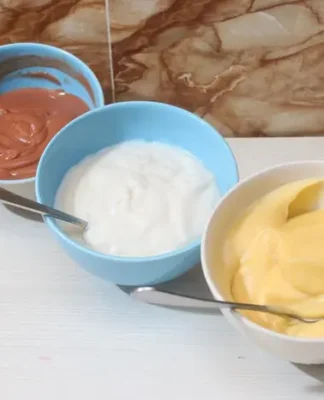

By the time you grow up in a Nigerian home, chances are you have tasted pap. White or yellow, sour or mild, served with milk and sugar, akara or moi moi, pap is a familiar staple on many Nigerian tables.
But if we are honest, not all pap is the same. The difference between watery pap and that of smooth, creamy akamu that sits well in the stomach is not necessarily in the corn. It is in the details and, above all, in the technique.
Pap begins with the corn and the soaking process. White corn produces white pap, while yellow corn produces yellow pap. A mixture of both can produce a colour somewhere in between.
But soaking is where the process begins to make a difference. Depending on the desired level of fermentation, the corn may be soaked for about two to three days. Shorter fermentation produces a milder taste, while longer fermentation produces the characteristic sourness associated with traditionally fermented ogi, akamu.
The soaking water should also be kept clean and changed regularly. Fermentation is desirable, but unhygienic handling can introduce unwanted microorganisms and unpleasant odours. Then comes sieving, the stage at which patience is tested.
A fine sieve or clean cloth helps separate the smooth corn slurry from the chaff. The more thoroughly the mixture is sieved, the smoother the resulting pap. Rushing the process can leave the pap gritty, with remnants of corn fibre. The milky liquid squeezed out during sieving is the basis of the pap and should not be wasted.
The sour taste of pap is sometimes treated as a defect, but it is actually a characteristic of fermentation. Lactic acid bacteria and other microorganisms involved in fermentation contribute to the acidity and distinctive flavour of traditionally prepared ogi.
For those who prefer a milder taste, a shorter fermentation period may be preferable. Those who enjoy a more pronounced sourness may allow fermentation to continue for longer, while taking care to prevent contamination and spoilage, particularly in hot weather.
But the stage where technique matters most is cooking. Never pour boiling water directly onto dry pap powder or a concentrated pap mixture. Doing so can cause the starch to gelatinise unevenly, leaving lumps. A better method is to first mix the pap with cool or room temperature water until smooth, then gradually add boiling water while stirring continuously and vigorously.
Once the pap thickens, it should be heated adequately before serving. Proper cooking improves its texture and helps reduce the risk associated with consuming inadequately cooked cereal mixtures.
Beyond taste, pap has an important place in Nigerian food culture. It is commonly served as a complementary food for infants, a light meal for people recovering from illness and a convenient breakfast for adults. However, its nutritional value can be improved by pairing it with protein and micronutrient rich foods such as milk, eggs, beans, akara or moi moi.
Proper storage is equally important. Freshly prepared pap should be handled hygienically and refrigerated where appropriate. Fermented pap can deteriorate if left for too long at room temperature, particularly in Nigeria’s warm climate.
Flavourings such as ginger or cloves may also be incorporated during preparation, depending on personal preference.
So, what is the lesson?.Pap may look simple, but getting it right requires care. Some of the common mistakes include using boiling water indiscriminately, failing to cook it adequately, poor hygiene during fermentation and allowing fermentation to continue unchecked, especially in hot weather.
Pap is not just food. It is culture, it is care and it is technique. Get the technique right, and you begin to understand why generations of Nigerians have continued to swear by a hot bowl of akamu.
Pap Is Not Just Food, It Is Technique