

By Ijeoma Madunagum
As cities across the world increasingly recognise efficient public transportation as a driver of economic growth, household welfare and urban development, Abia State faces an important opportunity to rethink how its transport sector can better serve its people.
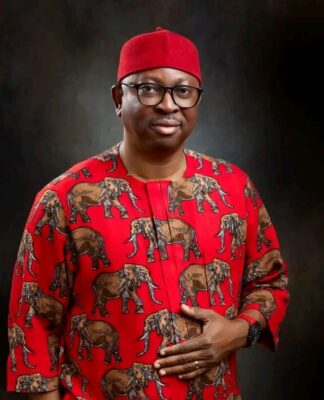
At the centre of Chief Eric Opah’s transport proposal for the 2027 governorship election is a policy that could reshape the relationship between government, private transport operators and commuters: liberalising the sector, restoring the right of privately owned motor parks to operate and allowing government terminals and private parks to compete.
For ordinary Abians, this proposal goes beyond where vehicles load passengers. It raises a more important question: how much could a competitive transport system change the cost of living, household finances and opportunities for economic advancement?
Opah’s vision rests on the understanding that competition, when supported by effective regulation and safety standards, can encourage better services, more reliable schedules and affordable fares. Rather than limiting transport operations to a single model, the proposed approach would create room for both public and private operators to contribute to the state’s mobility needs.
Transporters stand to benefit from a more open operating environment, with opportunities for investment, business expansion, employment creation and improved returns. Private park owners could regain opportunities to operate within an appropriately regulated framework, while competition could encourage operators to improve vehicle conditions, customer relations and service delivery.
Passengers, meanwhile, could enjoy greater choices, potentially shorter waiting times, more dependable departure schedules and fares influenced by competition. With appropriate enforcement of roadworthiness requirements, driver standards and passenger safety regulations, the system could also strengthen confidence in public transportation.
The household benefits could be particularly significant. When transport costs become more affordable and journeys more predictable, families may have more money available for food, education, healthcare and other essential needs. Workers could spend less time waiting for vehicles, traders could move goods more efficiently, and students could enjoy better access to educational institutions. These are practical improvements that can make a difference in individual homes.
For Abia’s economy, an efficient transport network could stimulate commercial activities across Aba, Umuahia and other communities by improving the movement of people, goods and services. Small businesses, manufacturers, market traders and service providers all depend on mobility.
Reducing transportation bottlenecks and encouraging investment in transport infrastructure could strengthen commercial productivity, attract business interest and support employment.
There is also an image dividend. A state with organised transport terminals, properly maintained vehicles, predictable services and responsive operators presents a more attractive impression to visitors, investors and business partners. Effective implementation of Opah’s proposal could therefore contribute to Abia’s reputation as a state committed to practical economic reforms and improved public services.
However, liberalisation must go hand in hand with responsible regulation and Opah clearly understood that. He also knew that competition should not come at the expense of passenger safety, orderly traffic management, fair operating conditions or environmental standards.
Government oversight would remain essential in ensuring that the benefits of an open transport market reach both operators and the travelling public.
Ultimately, Opah’s proposal invites Abians to look beyond the politics of motor parks and consider the wider economic implications of transportation reform. It presents an opportunity to assess governance through policies that touch daily life, from the cost of getting to work to the ability of traders to move their products and parents to meet their household responsibilities.
As the 2027 governorship election approaches, Abians have reason to examine what each candidate is offering and how those proposals could translate into measurable improvements in their lives. For supporters of Chief Eric Opah, his transport vision provides another reason to consider his candidacy: the promise of a more competitive, accessible and efficient transport system in which government and private enterprise can work side by side for the benefit of the people.