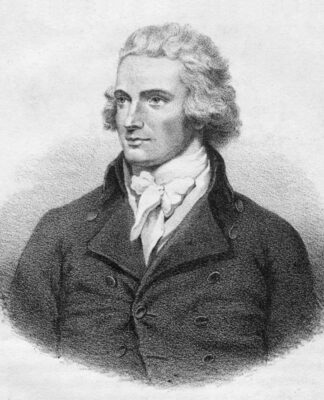

For more than centuries now, the debate has been on as to whether River Niger (the third longest river in Africa), was discovered by a Scottish explorer, late Mungo Park.
The debate which has in different fora turned heated, has continued with persons having this argument holding tenaciously to their views and at the same time, failing to accept superior argument even when it meant contacting historians to clear the ambiguity.
No matter the level of argument brought forward on this subject matter that has sparked off arguments for centuries past, the most important thing is that River Niger has been in existence before Mungo Park decided to carry out the expedition.
Another truth surrounding who discovered or explored the Niger, is the fact that River Niger was explored and necessary findings about the river taken into cognisance, including the obvious fact that there was the existence of people around the River Niger as well as the fact that Africa, referred to as the “dark continent”, had raw materials for the Europeans to exploit and hitherto use in upscaling their local industries.
The question now becomes, what was actually the role of Mungo Park in the exploration of the River Niger?
Of a truth, the whole story revolving around the exploration of the River Niger can never be complete without a mention of Mungo Park. Apart from being the first European to reach and document the upper course of the Niger River, he mapped the Niger River for the first time and this provided the first European-documented account of its upper course, which sparked immense public interest in Africa.
Mungo Park did not discover River Niger as many have lived with the misconception and belief, rather his efforts, set the stage for further exploration by others like the Lander brothers (Richard and John) and further set the ball rolling for what was later known as the colonization of Africa by the Europeans.
Mungo Park’s work was significant in that he completed his work by tracing the river’s banks. His expedition was a prelude and laid a solid foundation for the conquest of Africa. The Europeans saw his work as a monumental feat for European exploration and also served as a precursor to colonial ambitions, as they highlighted the region’s potential for trade and resources to the British Empire.
Make no mistakes, Park’s expedition paved the way for further exploration. In his popular and bestselling book, “Travels in the Interior Districts of Africa,” the piece captivated the European public and inspired many other explorers to follow in his footsteps, including the Lander brothers who completed his work by finding the river’s mouth.
As stated above, all colonial ambitions revolved around Park’s expeditions which was sponsored by the African Association, with his second journey which specifically focused on trade possibilities for the British Empire.
For emphasis purposes, Park’s documented findings from the expedition about the river’s course, potential for navigation, and resources led to growing European interest in colonizing the African continent.
Mungo Park, despite that he died near Bussa, Nigeria, during his second expedition to explore the river when his journey came to a fatal end in January 1806, his key role in the exploration of the River Niger, has continued to portray him as having discovered the River, but he never discovered the Niger rather played a pivotal role for further expeditions by the likes of Richard and John Lander.
Did Mungo Park Discover River Niger?